Aluminum Bronze Casting Dubai for Industrial Metal Components
Dubai’s growing industrial, engineering, construction, and marine sectors require reliable metal components that can perform under demanding operating conditions. Aluminum bronze casting Dubai provides a practical manufacturing solution for applications that require durable and carefully produced metal components.
Aluminum bronze combines copper with aluminum and can provide useful properties for demanding industrial applications. Manufacturers can produce customized components through controlled casting processes and then apply machining or finishing operations where the design requires greater dimensional accuracy.
Alongside aluminum bronze casting, businesses can benefit from professional metal casting services that cover different materials and component requirements. Choosing an experienced casting company in Dubai can help organizations manage customized manufacturing projects according to their drawings, dimensions, and technical specifications.
Understanding Metal Casting
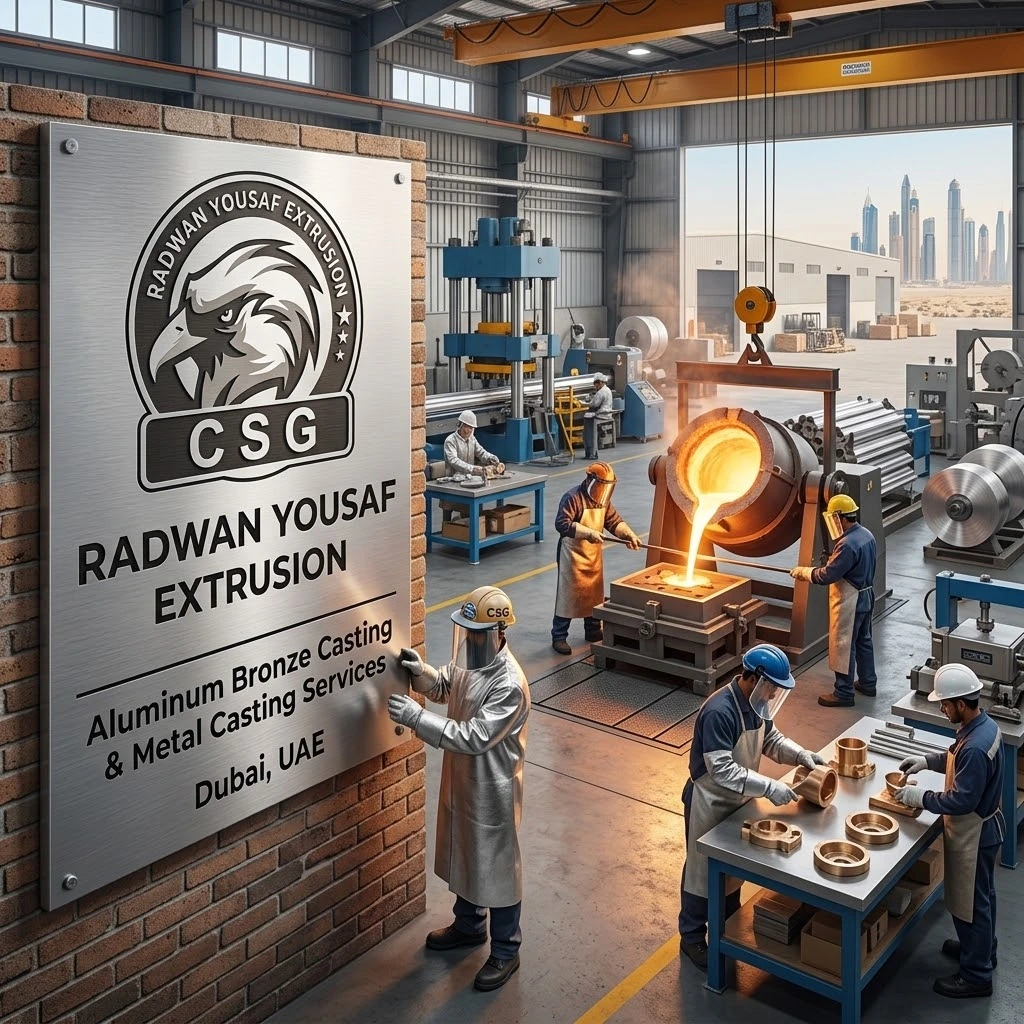
Metal Casting involves pouring molten metal into a prepared mold and allowing it to cool and solidify into the required shape. Manufacturers can then remove the component from the mold and perform additional machining or finishing operations when necessary.
The casting process provides flexibility because manufacturers can create components with different shapes and sizes. It can also support the production of customized industrial parts that may prove difficult to manufacture entirely through conventional machining.
Professional metal casting services require careful attention to mold preparation, material selection, pouring, cooling, inspection, and finishing. Each stage contributes to the quality and suitability of the finished component.
Aluminum Bronze Casting for Demanding Applications
Aluminum bronze casting offers an important option for applications that require useful strength, wear resistance, and corrosion resistance. These characteristics make aluminum bronze suitable for various engineering and industrial components.
Manufacturers can produce customized aluminum bronze castings based on customer drawings and required dimensions. After casting, they can use machining processes to create accurate holes, threads, surfaces, and other functional features.
Businesses should select the appropriate alloy and manufacturing process according to the component’s intended application. A professional manufacturer can evaluate the technical requirements and help determine a suitable casting approach.
Brass Bronze Casting for Industrial Requirements
Brass bronze casting provides industries with durable and versatile metal components for a variety of applications. Because brass and bronze have different properties, manufacturers can choose the material that best suits each component’s requirements.
Brass offers useful machinability and corrosion resistance, making it suitable for fittings, valves, hardware, and engineering components. Bronze, on the other hand, provides useful wear and corrosion resistance for applications such as bushings, bearings, fittings, and specialized mechanical parts.
This version avoids the consecutive “Brass / Bronze / Businesses” style sentence openings and should improve the Yoast readability warning.
By selecting the correct material and casting process, manufacturers can create components that meet specific performance and dimensional requirements.
Bronze Casting Dubai for Marine and Engineering Applications
Bronze casting Dubai supports industrial and marine requirements where component durability and resistance to challenging environments matter. Dubai’s strong maritime sector creates demand for components that can operate reliably around moisture and other demanding conditions.
Manufacturers can use bronze casting to produce customized parts for specific engineering and marine applications. The final component can also undergo machining to achieve the required dimensions and functional surfaces.
Businesses should provide detailed information about the operating environment, component dimensions, material requirements, and expected application. This information helps manufacturers choose a suitable production method.
Hydraulic Pressure Testing for Component Reliability
Hydraulic pressure testing can help businesses evaluate the performance of suitable components and systems under controlled pressure conditions. The process uses a liquid, commonly water or another appropriate test medium, to apply pressure and identify potential leaks or weaknesses.
Manufacturers and industrial service providers can use hydraulic pressure testing as part of quality and performance checks for applicable components. Testing requirements depend on the type of component, system specifications, operating pressure, and applicable standards.
When businesses require cast components for pressure-related applications, they should communicate the relevant technical requirements before production. This allows manufacturers to consider the component’s design, material, casting process, machining requirements, and testing needs together.
The Role of a Casting Company in Dubai
Choosing the right casting company in Dubai can make an important difference when businesses require customized metal components. A capable manufacturer should understand different casting methods, materials, machining requirements, and quality expectations.
Before starting production, customers can provide technical drawings, dimensions, quantities, material preferences, and application information. Manufacturers can then evaluate the project and determine the appropriate production approach.
A reliable casting partner can also support customers with machining and finishing requirements after casting. This creates a more integrated manufacturing process and reduces the need to coordinate with multiple suppliers.
Metal Casting Services for Customized Components
Professional metal casting services can support both standard and customized industrial requirements. Manufacturers can produce components in materials selected according to the application’s mechanical, environmental, and dimensional requirements.
Customization can involve component shape, dimensions, material type, production quantity, machining requirements, and finishing specifications. Businesses should communicate these details clearly to help manufacturers achieve the desired result.
For projects involving aluminum bronze, brass, or bronze, material selection remains an important consideration. Each material provides different characteristics, and the manufacturer should match those characteristics to the intended application.
Quality Considerations in Metal Casting
Quality begins before manufacturers pour molten metal into a mold. Proper planning and preparation can influence the final component’s accuracy and performance.
Manufacturers should consider the component’s design, mold requirements, metal selection, pouring process, cooling conditions, and finishing requirements. After casting, inspection and machining can help manufacturers achieve the required dimensions and functional surfaces.
For components used in demanding industrial environments, customers should communicate all relevant specifications before production. Clear technical information helps manufacturers understand the project’s requirements and select an appropriate manufacturing process.
Why Choose Local Metal Casting Services in Dubai?
Working with local metal casting services can provide practical advantages for businesses operating in Dubai and the wider UAE. Customers can communicate project requirements more easily and coordinate manufacturing according to their production schedules.
Local manufacturers can support customized requirements for engineering, construction, industrial, and marine applications. Businesses can also discuss material options and machining requirements directly with the manufacturing team.
For recurring production, establishing a relationship with a dependable casting supplier can help businesses maintain consistency across future orders.
Applications of Aluminum Bronze and Bronze Components
Manufacturers can use aluminum bronze and bronze components across different industrial applications. Depending on the material grade and component design, these materials can support mechanical, marine, engineering, and specialized applications.
Common examples may include bushings, bearings, fittings, valves, mechanical components, and customized industrial parts. Manufacturers can combine casting with machining to achieve the final dimensions required for installation or operation.
The appropriate material depends on the specific application. Businesses should therefore evaluate factors such as operating environment, expected loads, wear conditions, corrosion exposure, dimensions, and required performance before production.
Why It Matters
Aluminum bronze casting Dubai provides businesses with a valuable option for producing durable and customized metal components for industrial and engineering applications. Alongside aluminum bronze, brass bronze casting, conventional metal casting, and professional metal casting services can support a wide range of manufacturing requirements.
Businesses that require specialized components can work with a reliable casting company in Dubai to discuss material selection, component design, casting requirements, machining, and finishing. For applicable pressure-related components and systems, hydraulic pressure testing can provide an additional method for evaluating performance under controlled conditions.
With careful material selection, accurate casting, appropriate machining, and suitable quality checks, manufacturers can produce metal components designed to meet specific industrial requirements. For companies operating in Dubai, selecting an experienced manufacturing partner remains an important step toward achieving consistent and reliable casting results.