
The Shift Toward Sustainable Manufacturing
The manufacturing industry is undergoing a significant transformation as companies around the world seek ways to reduce environmental impact while maintaining productivity and profitability. Sustainability has become a key priority across various industrial sectors, including metal processing and fabrication. One of the most important developments in this area is the growing use of sustainable materials in metal extrusion. By incorporating environmentally responsible materials and production methods, manufacturers can minimize waste, conserve natural resources, and contribute to a more sustainable future.
Metal extrusion is a widely used manufacturing process that shapes metal by forcing it through a die to create products with specific cross-sectional profiles. The process is commonly used in industries such as construction, automotive, aerospace, transportation, electronics, and renewable energy. As environmental regulations become stricter and consumer expectations continue to evolve, the adoption of sustainable practices within extrusion operations is becoming increasingly important.
Understanding Metal Extrusion
Metal extrusion is a manufacturing technique that allows producers to create complex and precise metal shapes with excellent consistency. During the process, heated or cold metal is pushed through a specially designed die to form a desired profile. The resulting products can be used in a wide range of applications, including structural components, frames, tubing, heat sinks, and decorative elements.
Aluminum is one of the most commonly extruded metals due to its lightweight properties, corrosion resistance, and recyclability. Other metals frequently used in extrusion include copper, brass, magnesium, and certain steel alloys. The versatility of extrusion makes it an efficient manufacturing method, and the integration of sustainable materials further enhances its environmental benefits.
The Growing Importance of Sustainability in Manufacturing
Modern industries are increasingly focused on reducing carbon emissions, conserving resources, and promoting responsible production practices. Governments, investors, and customers are placing greater emphasis on environmental performance, encouraging manufacturers to rethink traditional production methods.
The use of sustainable materials helps organizations meet environmental targets while maintaining product quality and operational efficiency. Sustainable manufacturing is no longer viewed solely as a corporate responsibility initiative; it has become a strategic business advantage that can improve competitiveness and support long-term growth.
As industries strive to reduce their environmental footprint, sustainable solutions are becoming essential components of modern manufacturing operations.
What Makes a Material Sustainable?
A sustainable material is generally characterized by its ability to minimize environmental impact throughout its lifecycle. This includes sourcing, processing, manufacturing, usage, and end-of-life management. Sustainable materials often require fewer natural resources, generate less waste, and support recycling or reuse initiatives.
In metal extrusion, sustainable materials may include recycled metals, responsibly sourced raw materials, and alloys designed to improve efficiency and durability. The goal is to maximize resource utilization while minimizing environmental harm.
Manufacturers evaluate sustainability based on factors such as energy consumption, greenhouse gas emissions, recyclability, durability, and supply chain responsibility. Materials that perform well in these areas are increasingly preferred in modern extrusion operations.
Recycled Aluminum and Its Environmental Benefits
Among all metals used in extrusion, aluminum stands out as one of the most sustainable options available. Aluminum can be recycled repeatedly without losing its fundamental properties. This characteristic makes it highly valuable in efforts to reduce resource consumption and support circular economy initiatives.
Producing aluminum from recycled sources requires significantly less energy compared to manufacturing primary aluminum from raw ore. As a result, recycling contributes to substantial reductions in carbon emissions and overall environmental impact.
Many extrusion manufacturers are increasing their use of recycled aluminum content in response to growing demand for environmentally responsible products. This approach allows companies to maintain performance standards while reducing reliance on virgin resources.
Sustainable Alloys in Modern Extrusion
Advancements in metallurgy have led to the development of sustainable alloys that enhance manufacturing efficiency and product performance. These alloys are designed to optimize strength, durability, corrosion resistance, and recyclability while reducing environmental impact.
Engineers continuously explore new alloy compositions that require less energy during production and processing. Some alloys are specifically developed to improve material utilization, reduce scrap generation, and extend product lifespan.
By incorporating innovative materials into extrusion operations, manufacturers can achieve sustainability objectives without compromising functionality or reliability.
The Role of the Circular Economy
The concept of a circular economy is transforming the way industries approach material usage and waste management. Instead of following a traditional linear model of production, use, and disposal, circular systems emphasize reuse, recycling, and resource recovery.
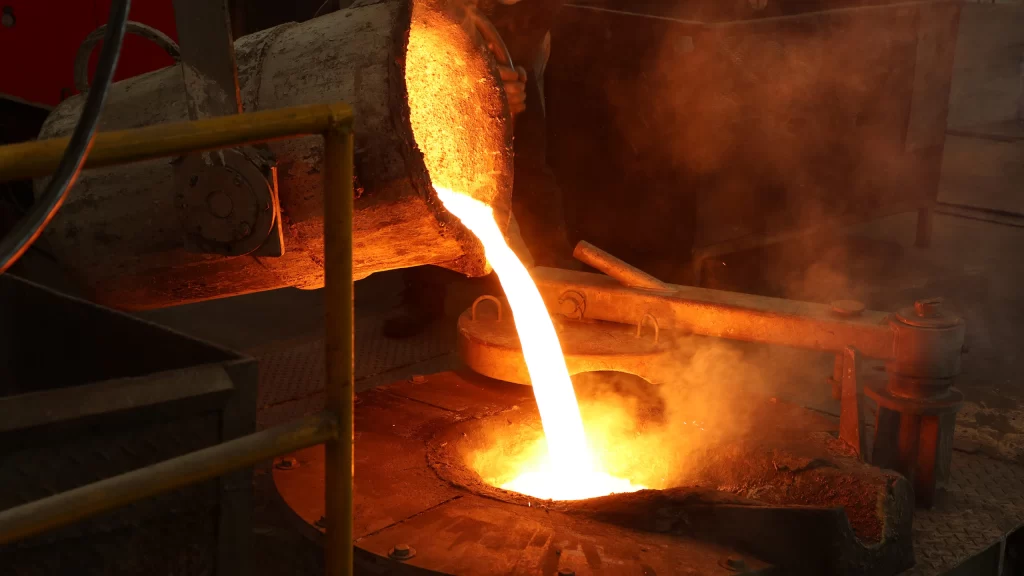
Metal extrusion aligns naturally with circular economy principles because many metals can be recycled multiple times. Manufacturers are increasingly establishing closed-loop systems that collect production scrap and reintroduce it into manufacturing processes.
These practices help conserve valuable resources, reduce landfill waste, and create more sustainable supply chains. As circular economy strategies continue to gain momentum, they are expected to play an increasingly important role in the future of extrusion manufacturing.
Energy Efficiency and Sustainable Production
Sustainability involves more than selecting environmentally friendly materials. Production efficiency also plays a critical role in reducing environmental impact. Extrusion facilities are investing in modern equipment and technologies designed to minimize energy consumption and optimize resource utilization.
Advanced extrusion presses, automated process controls, and energy-efficient heating systems contribute to lower operational emissions. These improvements help manufacturers produce high-quality products while reducing overall environmental impact.
Combining efficient production methods with responsible material selection creates a comprehensive approach to sustainable manufacturing that benefits both businesses and the environment.
Waste Reduction Through Material Optimization
Waste reduction is another major advantage associated with sustainable manufacturing strategies. Modern extrusion operations utilize advanced design software and process optimization techniques to maximize material efficiency.
Engineers carefully design profiles to achieve required performance characteristics while minimizing material usage. This approach reduces excess weight, lowers raw material consumption, and decreases production waste.
In addition, scrap generated during manufacturing can often be collected and recycled, further improving sustainability outcomes. These practices demonstrate how thoughtful engineering and material management contribute to more responsible production systems.
Applications Across Various Industries
The adoption of sustainable materials is influencing a wide range of industries that rely on metal extrusion products. Construction companies use environmentally responsible extrusions in building facades, windows, doors, and structural components. Automotive manufacturers incorporate lightweight recycled aluminum parts to improve fuel efficiency and reduce emissions.
The renewable energy sector also benefits from sustainable extrusion solutions. Solar panel frames, wind energy components, and energy storage systems often utilize recyclable metal materials. Similarly, aerospace, transportation, electronics, and industrial equipment manufacturers are increasingly prioritizing sustainable material selection.
These diverse applications demonstrate the growing importance of sustainability throughout modern manufacturing ecosystems.
Supply Chain Responsibility and Material Sourcing
Responsible sourcing is a key component of sustainable manufacturing. Companies are placing greater emphasis on transparency and ethical practices throughout their supply chains. This includes evaluating suppliers based on environmental performance, resource management, and compliance with sustainability standards.
Sourcing recycled and responsibly produced metals helps reduce environmental risks while supporting corporate sustainability goals. Many organizations also pursue certifications and reporting frameworks that demonstrate their commitment to responsible manufacturing practices.
As sustainability expectations continue to rise, supply chain accountability is becoming an essential factor in material procurement decisions.
Environmental and Economic Advantages
Sustainability offers benefits that extend beyond environmental protection. Companies that invest in responsible manufacturing practices often experience economic advantages as well. Improved resource efficiency can reduce operating costs, while waste reduction initiatives contribute to greater profitability.
Using recyclable materials may also help organizations comply with regulations and meet customer requirements related to environmental performance. Additionally, sustainable products often appeal to environmentally conscious consumers and businesses seeking greener supply chain partners.
These combined benefits highlight why sustainability is increasingly viewed as both an environmental necessity and a strategic business opportunity.
Future Trends in Sustainable Metal Extrusion
The future of metal extrusion is expected to be shaped by ongoing innovations in materials science, manufacturing technology, and sustainability practices. Researchers continue to develop advanced alloys with enhanced recyclability and performance characteristics.
Digital manufacturing tools, artificial intelligence, and process monitoring technologies are helping manufacturers improve efficiency and reduce waste. Renewable energy integration within production facilities is also becoming more common as organizations seek to lower carbon emissions.
As global sustainability initiatives gain momentum, the demand for environmentally responsible extrusion products is likely to continue growing across multiple industries.
Building a Greener Manufacturing Future
The increasing adoption of sustainable materials in metal extrusion reflects a broader commitment to environmental responsibility and resource efficiency within modern manufacturing. Through the use of recycled metals, advanced alloys, responsible sourcing practices, and energy-efficient production methods, manufacturers can significantly reduce their environmental impact while maintaining high standards of quality and performance.
As industries continue to prioritize sustainability, metal extrusion will play an important role in supporting greener products, circular economy initiatives, and long-term resource conservation. Organizations that embrace sustainable manufacturing strategies today will be better positioned to meet future market demands, regulatory requirements, and environmental expectations while contributing to a more sustainable industrial future.