
Precision Extrusion in Metal Manufacturing
Modern industries demand accuracy, durability, and efficiency in every product they manufacture, and metal production is no exception. Manufacturers constantly seek innovative solutions to improve product quality while reducing waste and operational costs. Precision extrusion technology has emerged as a powerful solution that transforms how companies approach metal manufacturing. By combining advanced engineering, automation, and data-driven processes, manufacturers now achieve superior consistency and performance in their production lines.
Precision engineering plays a critical role in shaping the future of metal extrusion. It allows manufacturers to produce complex metal components with tight tolerances and enhanced material properties. As industries such as automotive, construction, aerospace, and industrial machinery continue to grow, the demand for reliable and efficient metal manufacturing solutions also increases. Companies that adopt modern extrusion technologies gain a significant competitive advantage in quality, speed, and sustainability.
Advanced Metal Shaping Processes
Precision extrusion technology refers to advanced manufacturing processes that shape raw metal materials into continuous profiles with high accuracy and consistency. Engineers design specialized extrusion machinery to control temperature, pressure, and material flow throughout the production cycle. This level of control ensures that manufacturers produce components that meet strict industrial standards.
Unlike traditional extrusion methods, modern precision systems integrate automation and real-time monitoring tools. Sensors track performance metrics and detect inconsistencies immediately, allowing operators to make quick adjustments. This approach improves production efficiency and reduces material waste significantly. Industries benefit from reliable products while maintaining cost-effective manufacturing processes.
Impact of Precision Engineering on Metal Production
Precision engineering enhances every stage of metal manufacturing, from raw material selection to final product inspection. Engineers design extrusion systems with advanced calibration mechanisms that maintain consistent dimensions and material distribution. This accuracy becomes essential for industries that require high-performance metal components, such as automotive, aerospace, and heavy machinery parts.
Manufacturers also use computer-aided design and simulation tools to optimize extrusion processes before production begins. These digital technologies allow engineers to predict performance outcomes and eliminate potential errors. As a result, companies reduce downtime, improve product reliability, and increase overall manufacturing efficiency.
Advantages of Advanced Extrusion Systems
Advanced extrusion systems offer numerous benefits that make them essential for modern metal manufacturing environments. One major advantage involves improved product consistency. Precision controls ensure that each manufactured component maintains identical specifications, which strengthens quality assurance and customer trust.
Another significant benefit involves higher production efficiency. Automated extrusion machinery operates with minimal human intervention, reducing labor costs and increasing output capacity. Manufacturers also experience lower material waste because precision systems optimize resource usage. These improvements contribute to better profitability while maintaining environmental responsibility.
Energy efficiency also improves with modern extrusion equipment. Engineers design machines that consume less power while delivering higher performance levels. This combination supports sustainable manufacturing initiatives and reduces operational expenses for businesses.
Tailored Metal Manufacturing Solutions
Industries increasingly demand customized metal components that meet unique performance requirements. Precision extrusion technology enables manufacturers to create complex shapes, multi-layer profiles, and specialized alloys tailored to specific applications. Companies can produce lightweight yet durable components that improve product functionality across multiple sectors.
For example, the automotive industry requires components that balance strength with weight reduction. Precision extrusion allows manufacturers to develop innovative metal solutions that meet safety standards while improving fuel efficiency. Similarly, the aerospace industry benefits from highly accurate metal tubing and structural components that require strict quality control.
Custom metal extrusion also supports product innovation. Engineers experiment with new alloys and designs, enabling companies to launch advanced products faster than competitors. This flexibility strengthens market positioning and drives long-term growth.
Automation and Smart Manufacturing Integration
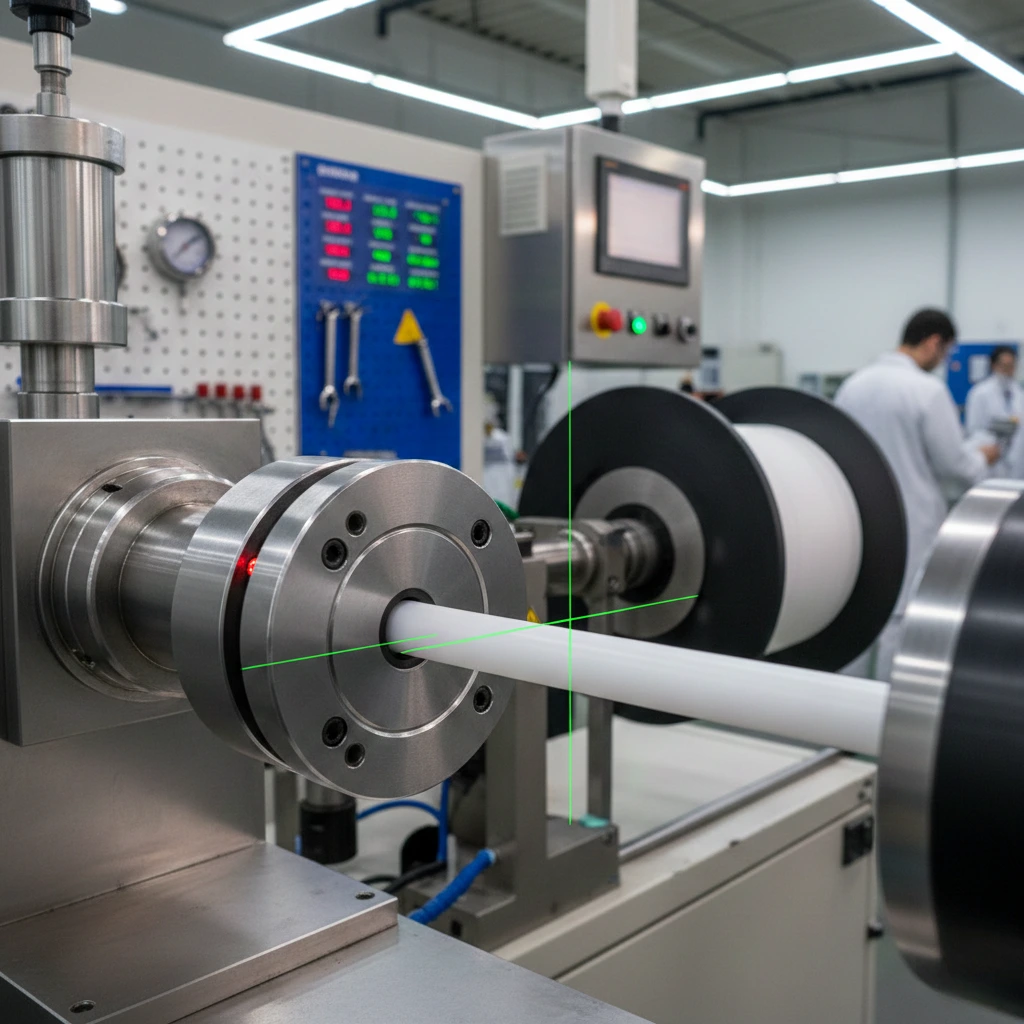
Automation has become a cornerstone of modern metal manufacturing, and precision extrusion technology integrates seamlessly with smart manufacturing systems. Advanced sensors, artificial intelligence, and machine learning tools allow manufacturers to monitor production performance in real time. These technologies identify inefficiencies and recommend adjustments that optimize output quality.
Smart manufacturing environments also improve predictive maintenance. Machines detect wear and potential failures before breakdowns occur, reducing downtime and maintenance costs. Companies maintain continuous production while protecting their equipment investments.
Digital integration further enhances supply chain management. Manufacturers track production data, inventory levels, and delivery schedules more efficiently, ensuring timely order fulfillment and improved customer satisfaction.
Sustainability and Environmental Benefits
Sustainability remains a top priority for industries worldwide, and precision extrusion technology supports environmentally responsible manufacturing practices. Modern systems reduce raw material waste by maintaining accurate production parameters. Manufacturers also recycle excess metals more effectively, minimizing environmental impact.
Energy-efficient extrusion machinery lowers carbon emissions and operational costs simultaneously. Companies can adopt eco-friendly production methods without sacrificing productivity or quality. Additionally, precision technology enables the development of recyclable and lightweight metal components, contributing to global sustainability initiatives.
By implementing sustainable extrusion solutions, businesses improve their brand reputation and meet regulatory requirements while supporting environmental conservation efforts.
Quality Control and Performance Enhancement
Quality control plays a crucial role in metal manufacturing, and precision engineering significantly enhances inspection processes. Modern extrusion systems include advanced monitoring tools that evaluate product dimensions, surface finish, and structural integrity throughout production. This continuous inspection ensures that manufacturers detect defects immediately and maintain high-quality standards.
Performance enhancement also becomes possible through material innovation. Engineers combine precision extrusion with advanced metal alloys to create products with improved durability, flexibility, and resistance to environmental factors. These improvements benefit industries that rely on high-performance components for critical applications.
Industry Applications of Precision Extrusion Technology
Multiple industries benefit from precision extrusion technology due to its versatility and efficiency. The construction sector uses precision-manufactured metal profiles for structural components, beams, piping, and frameworks. These materials provide durability and cost-effectiveness while meeting safety standards.
The aerospace and automotive industries rely on precision extrusion for tubing, chassis components, and engine parts. Accuracy and consistency remain essential for safety, performance, and regulatory compliance. Similarly, the machinery and electronics industries benefit from advanced extrusion processes that create durable, lightweight, and high-performance metal components.
Industrial equipment manufacturers also utilize precision extrusion for custom metal parts, ensuring their products maintain reliability under demanding conditions.
Future Trends in Metal Manufacturing
The future of metal manufacturing continues to evolve with technological advancements. Precision extrusion technology will integrate further with artificial intelligence, robotics, and data analytics to enhance production efficiency and customization capabilities. Manufacturers will adopt fully automated production lines that require minimal manual intervention while delivering superior quality.
Material innovation will also drive industry growth. Engineers will develop advanced metal alloys with improved strength, heat resistance, and environmental sustainability. These materials will expand the range of applications for metal components across emerging industries.
Additionally, digital twins and simulation technologies will allow manufacturers to test production scenarios virtually before implementation. This approach will reduce risks and improve decision-making processes.
How Advanced Engineering Enhances Metal Manufacturing
Precision engineering has transformed modern metal manufacturing by introducing advanced processes that improve accuracy, efficiency, and sustainability. Precision extrusion technology enables manufacturers to produce high-quality components while reducing waste and operational costs. Industries benefit from customized solutions, automated production systems, and innovative metal alloys that enhance product performance.
As technology continues to advance, companies that invest in precision extrusion systems will maintain a competitive advantage in the global market. By embracing modern manufacturing techniques, businesses can achieve long-term growth, improved profitability, and environmental responsibility. Precision engineering will remain a driving force behind the future of metal production, shaping industries and creating new opportunities for innovation.